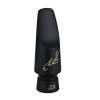

What makes the JDX Alto Better for Modern Jazz and Popular Music?
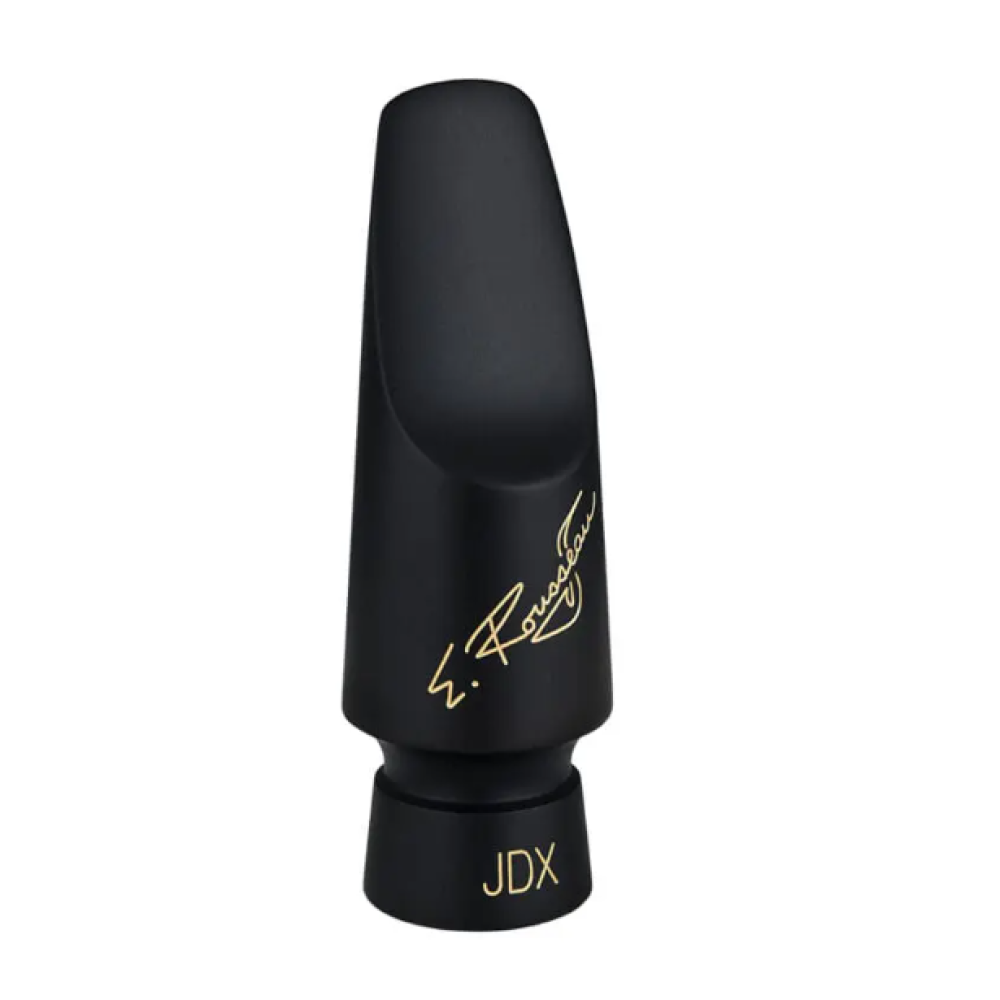
In contemporary music or in other words playing saxophone in todayôs world, itôs a fact that saxophonists need a certain amount of power, projection and cut in order to be heard among all of the electronic instruments. The JDX delivers this power in an elegant and beautiful sounding package. The sound of Gerald Albright, Kirk Whalum, Eric Marienthal, Grover Washington and Cannonball Adderley, to name a few are some examples of the range of tone one might obtain from the Rousseau JDX Alto Saxophone Mouthpiece.
Many people ask, if Iôm coming from a Classical Mouthpiece Setup, which Jazz mouthpiece would be the easiest transition?ù Without question, The Rousseau JDX Saxophone mouthpieces are the easiest transition. Dr. Rousseau actually played Jazz in his early career, even having a stint on the road with the Woody Herman Jazz Orchestra before he decided to become a Classical Musician and Teacher. For this reason, the Rousseau Jazz mouthpieces have always been an easy transition for Classical players. Hardcore Jazz players love the Rousseau Jazz mouthpieces equally as much as the Classical players.
The wider tip openings of Jazz sax mouthpieces necessitate playing softer reeds than the reeds you play with a Classical sax mouthpiece. Also, in general, Jazz players are seeking a buzzier sound that the softer reed provides. Jazz mouthpieces are louder and brighter than Classical mouthpieces because of the smaller chamber of the Jazz mouthpieces. The larger tip opening of a Jazz mouthpiece also provides for some more volume of tone but mostly it assists in the bending of notes.